What To Expect Before And After Dental Sedation
By Arpan Nalin Patel, D.M.D.
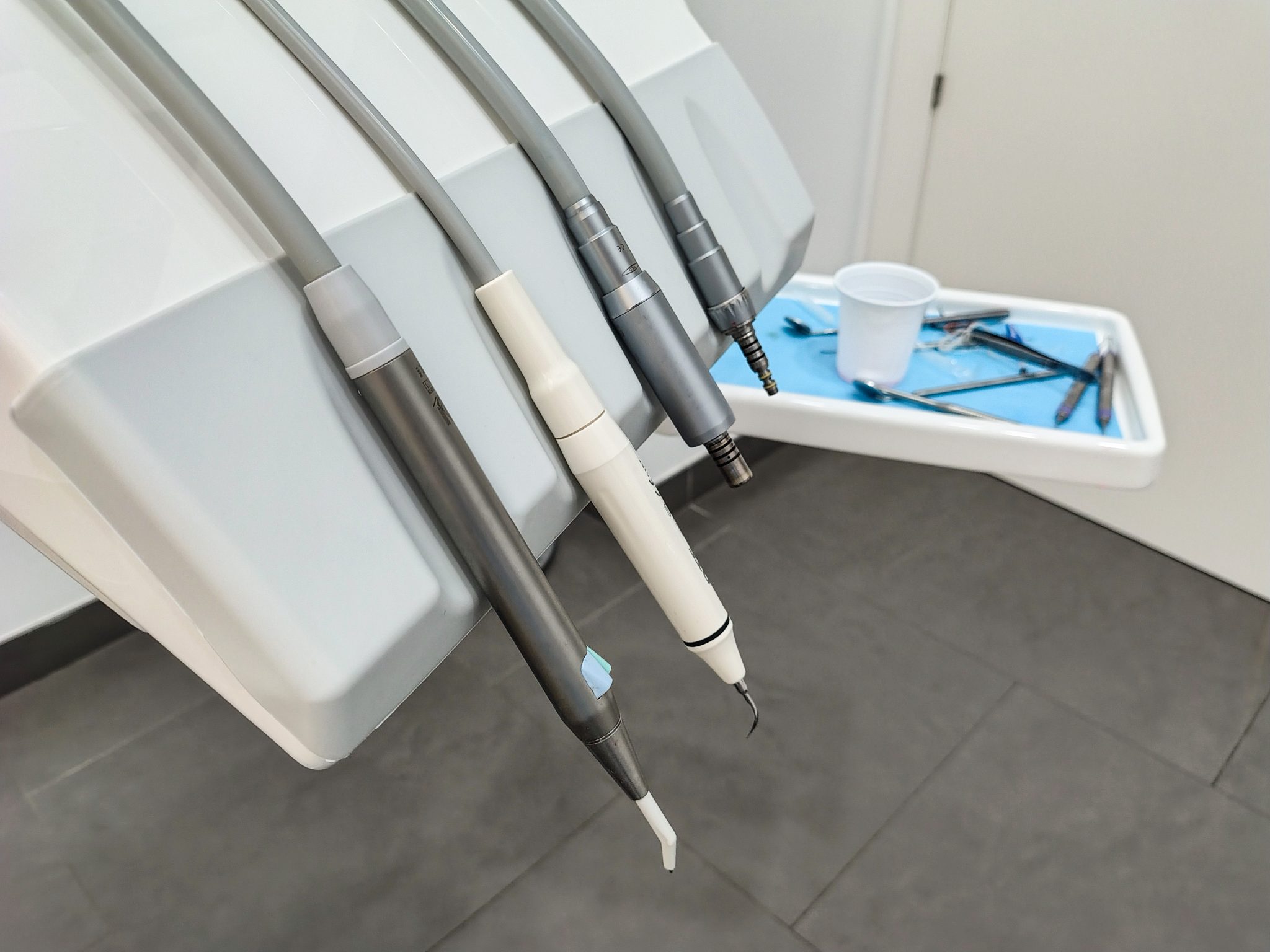
A patient booked for sedation spends the hour beforehand doing almost nothing visible. She has not eaten since the night before, somebody else is driving, and the health history she completed two weeks earlier has already changed what the day will look like. That quiet hour is where most of the appointment was settled.
By the time a person sits down in the operatory, the decisions that determine how sedation goes have largely been made. The screening, the written preparation instructions and the plan for the hours afterward are the treatment. What happens in the chair is the visible part of a process that began well before it.
Preparation Before Dental Sedation Does The Clinical Work
Screening comes first and it is not a formality. A clinician reviews medical history, current medications, airway anatomy and any previous experience with anesthesia of any kind. Each of those changes what is appropriate and how it is delivered.
The question about previous anesthesia is the one people answer too quickly. A patient who was difficult to settle for a wisdom tooth extraction at nineteen is telling you something useful about how they respond, and so is a patient who woke during a hospital procedure and has never mentioned it since. Those answers change the plan more often than the medical history does.
Airway anatomy gets assessed by looking rather than by asking. Neck movement, mouth opening and the shape of the soft palate all bear on how easily breathing can be supported if a patient drifts deeper than intended. A patient rarely notices this part of the examination happening at all.
The instructions a patient receives belong to that same work. Fasting windows exist because of how the body protects the airway once reflexes are dulled. A patient who eats breakfast because the instruction seemed arbitrary has altered the shape of the appointment without knowing it.
Planning in advance is how any appointment of consequence is built, which is also true of the records visit that opens a full arch implant consultation. The work that determines the outcome happens before the treatment appointment exists. Sedation is simply a case where that is easy to see.
The escort requirement runs on the same logic. Judgment and coordination return more slowly than alertness does, which is why the rule covers the whole day rather than the first hour. The American Dental Association keeps an overview of anesthesia and sedation that sets out the levels and the training expected at each one.
What Happens In The Room During Sedation
Once treatment begins, a large share of the clinical attention is on measurement. Blood pressure, oxygen saturation and heart rate are watched continuously, and a second trained person is in the room whose task is that watching rather than the dentistry.
Depth is not a single setting. Sedation runs along a continuum and a patient can drift a level deeper than intended, which is why the training standard is the ability to manage the level below the one you set out to provide. The American Dental Society of Anesthesiology teaches that principle to practicing dentists.
Patients often expect to be unconscious and are surprised to learn they were not. Most dental sedation leaves a person responsive and able to follow instruction, with the memory of the appointment blurred or missing. That gap between expectation and experience is worth describing beforehand.
Time is the thing that goes strange. An appointment that ran ninety minutes is commonly remembered as twenty, and patients describe the whole span as a few disconnected moments rather than a stretch of hours. That compression is doing much of the work that people credit to the medication.
A patient who expected to be asleep and was not will discount the next description too. Saying plainly what the hour will feel like is a small thing that carries a lot of the trust in the appointment. It takes a minute and is almost always skipped.
The hours after sedation belong to the patient, and planning for them is part of the treatment rather than an afterthought.
The Hours After Dental Sedation Belong To The Patient
Recovery is not an event with a clean end. Most people feel ordinary within a few hours and remain measurably slower for considerably longer, which is the reason behind the driving rule and behind the advice against decisions that matter that day.
Discharge is planned around a responsible adult who has been told what to watch for. That handover is a clinical step and not a courtesy. The person taking a patient home is the one who will notice if something is not settling the way it should.

The rest of the day is usually dull, and dull is the intended result. Grogginess, a dry mouth and a hazy recollection of the appointment are ordinary. MedlinePlus keeps a plain language summary of anesthesia and recovery that matches what most people report.
Written instructions matter more here than spoken ones. A patient who has been sedated will not retain a conversation held at the point of discharge, however clearly it was delivered. Anything that needs to be remembered goes home on paper and gets read by the person doing the driving.
The soreness that follows belongs to the dentistry rather than to the sedation, and the two get blamed on each other constantly. A patient who had four hours of work done in one sitting will feel that work the next day. Separating the two in advance keeps a good sedation experience from being remembered as a bad one.
What matters more than the day itself is what the appointment did to the fear. Sedation makes one appointment possible. Whether the next visit needs less of it is the honest measure of whether the anxiety was treated or only managed.
The Honest Tradeoff In Sedation Dentistry
Sedation takes a whole day rather than an appointment. A patient who could have had an hour of treatment and gone back to work instead gives up the morning, the drive and usually the afternoon as well. For somebody who has avoided care for years that trade is obviously worth making, and for a straightforward procedure it often is not.
There is a second tradeoff that gets discussed less. A patient sedated for every visit never has the experience of sitting through an ordinary appointment awake, and that experience is what reduces fear over time. Used indefinitely at the same depth, sedation preserves the anxiety in good condition.
So the plan that works is usually a descending one. Enough for the first appointment, less for the second, and eventually a visit that needs none at all. That path is slower than sedating every time and it is the only version that ends.
It also asks something of the practice. A descending plan means giving up the simplicity of doing the same thing every visit and instead judging, each time, how little is now enough. That judgment is harder than the pharmacology and it is where the actual treatment of anxiety sits.
For a reader who has been putting treatment off, the useful thing to know is that the appointment itself is not where the difficulty lives. The preparation is where the safety is built, the recovery is dull by design, and the day given up is a day. The part worth asking about is what the second appointment is meant to look like.
Sedation buys enough calm for treatment to begin. The work of ending the fear happens in the appointments that follow.
Arpan Nalin Patel, D.M.D., practices dentistry in lower Bucks County, Pennsylvania.

